01 / MATERIAL FLOW
Collection & logistics
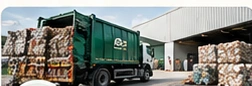
Collection routes, source-separated pickup, driving, dispatch, inventory and safe material handling.
Potential entry: handling and transport operations
JOBS & MOBILITY PEOPLE · SKILLS · LOCAL ENTERPRISE
Circular CNY can create opportunity across a much wider range of work than material processing alone. More pathways create more kinds of work and open routes into skills, advancement and entrepreneurship.
An opportunity framework—not an estimate of jobs created, current vacancies or promised employment.
THE CIRCULAR ECONOMY IN PRACTICE
The opportunity is broader than owning a recycling plant. Collection, preparation, testing, manufacturing, maintenance, logistics and customer service can all add value when real markets develop.
Collection routes, source-separated pickup, driving, dispatch, inventory and safe material handling.

Sorting, crushing, screening, cleaning, equipment operation and site process coordination.

Sampling, laboratory support, quality control, materials characterization and documentation.

Production operations, packaging, fabrication, maintenance and quality-managed output.

Equipment repair, refurbishment, diagnostics, rebuilding, parts supply and service.

Water treatment, sampling, facility upkeep, storage, energy systems and specialist support.
Role families are illustrative opportunities assembled from the approved V2 business and workforce compositions (pages 10–11). They are not actual job listings or verified regional demand.
PRACTICAL ROUTES INTO SKILLS
Advancement is not one fixed ladder. With employer demand, training access and support, people could enter from several starting points and build toward specialized work or enterprise formation.
Select a track below to explore example transitions. No hiring pathway or training placement is currently guaranteed.
Understand safe handling, source separation, equipment and local delivery operations.
Develop operational knowledge in screening, processing, maintenance and quality routines.
Apply technical experience to safe operations, quality, scheduling and team coordination.
Explore multiple on-ramps, including skilled trades, work-based learning and retraining where available.
Logistics, safety, testing, equipment maintenance and supply-chain experience may serve other sectors.
Better-defined qualifications, support and employers help people move beyond temporary project work.
FROM WORK TO BUSINESS FORMATION
Regional value can also be created by existing small firms and new ventures providing services around a product pathway—collection, technical testing, repair, trucking, installation and customer support.
That is the second dividend: skills and businesses developed for one project could serve future customers, provided the market and financing are real.
Explore the wider opportunity portfolioConceptual business relationships · Not an operating consortium or committed contracts
FROM POTENTIAL TO VIABLE JOBS
Opportunity language should not be mistaken for an employment forecast. A credible jobs case depends on customer demand, operating economics, qualifications, training capacity and accessible participation.
Which buyer or project needs the service? Is demand repeatable, and are purchasing requirements understood?
Evidence: buyer interviews and qualified use caseCheck throughput, cost, safety obligations, margins, assets, logistics and contract responsibilities.
Evidence: viable operating and supplier modelSpecify tasks, wage ranges where verified, training requirements, advancement opportunities and supervision.
Evidence: employer-informed skills and hiring planIdentify accessible recruitment, apprenticeships or workforce partners, transportation and other barriers to participation.
Evidence: locally validated participation strategyCircular material pathways may support new kinds of work. The number, quality, timing and accessibility of jobs cannot be claimed until specific projects and employers are validated.
HELP SHAPE WHAT COMES NEXT
Input from employers, workforce organizations, training providers, local businesses and residents can help identify what roles are feasible—and who could benefit.
Prepare an outline about local materials, skills, demand or practical constraints. Nothing is submitted or stored by the preparation page; a receiving organization and official intake channel have not yet been established.
Prepare a contribution