Pathway 01 · Commercial validation
Recovered glass cement replacement.
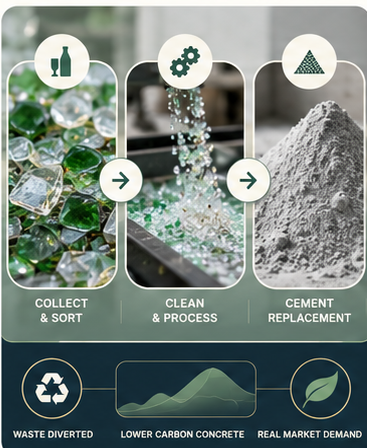
Process regional glass into a fine supplementary cementitious material that can replace a portion of cement in lower-carbon concrete.
Explore the glass pathwayStart where the evidence is strongest
Recovered glass and source-separated concrete are strong starting points because they combine real local demand, real material volume and near-term commercial potential. Both pathways can be developed with existing technologies, regional supply and established end markets.
Process regional glass into a fine supplementary cementitious material that can replace a portion of cement in lower-carbon concrete.
Explore the glass pathway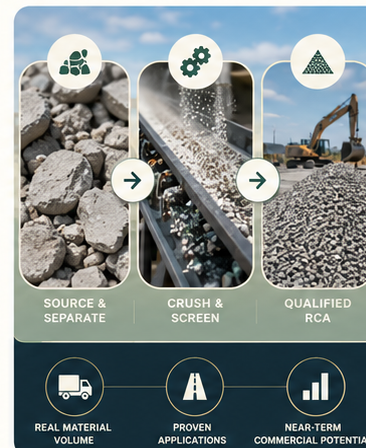
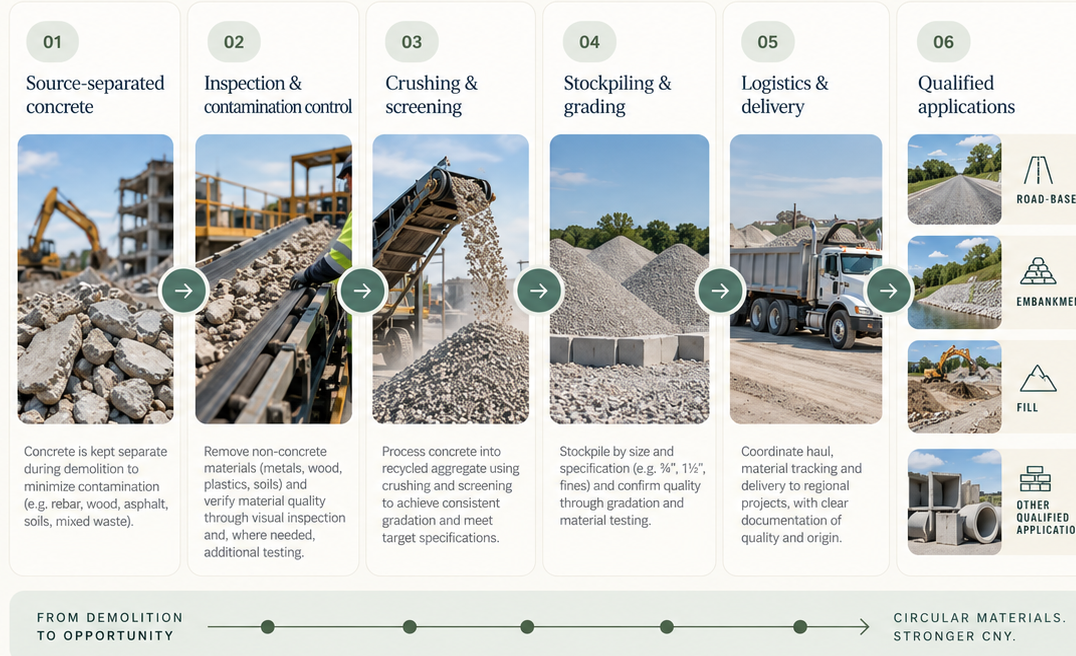
Process clean, source-separated concrete into qualified recycled concrete aggregate (RCA) for road-base, embankment, fill and related infrastructure uses.
Explore the RCA pathwayThese first pathways open the door to a much wider opportunity portfolio.
Two starts, different work to prove
These are practical places to test the regional model, not a claim that every feedstock, supplier or buyer has already qualified.
See the proof sequenceConfirm glass volume and quality; establish dependable collection, cleaning and milling; obtain qualified customer specifications and commercially workable delivery terms.
Evidence questions are drawn from the original V2 visual-review narrative; this is not a claim of a completed certification.
Pathway 01 · Commercial validation
The material use is no longer hypothetical in Syracuse. The key question is whether a specific regional glass stream can support a durable local product pathway with commercially workable terms.
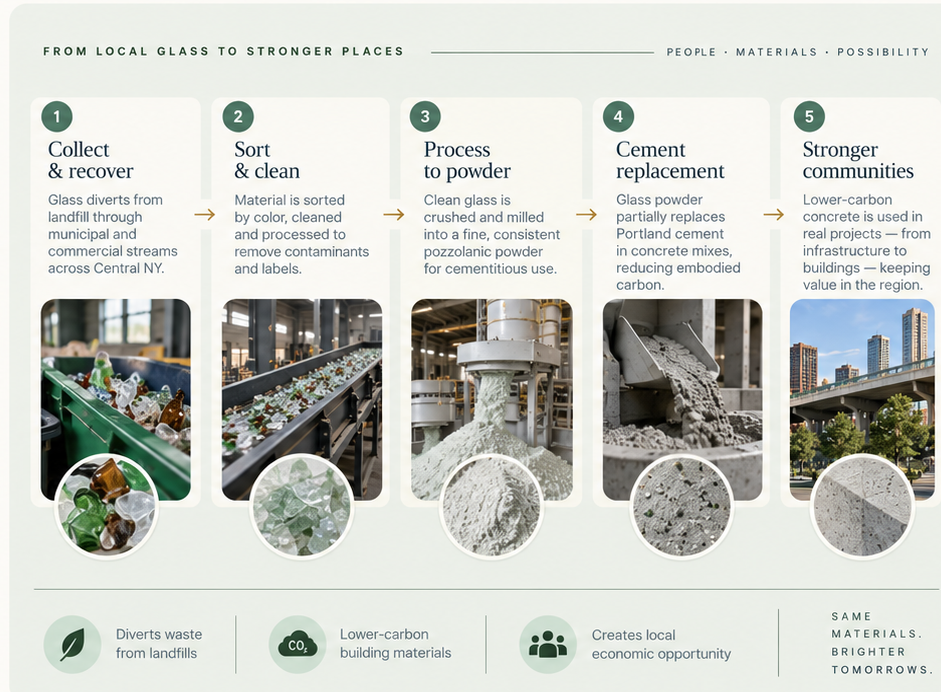
Glass diverts from landfill through municipal and commercial streams across Central New York.
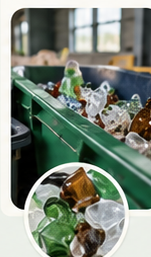
Material is sorted, cleaned and processed to remove contaminants and labels.
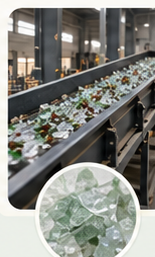
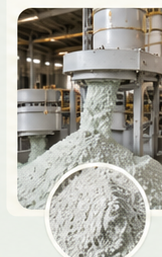
Clean glass is crushed and milled into a fine, consistent pozzolanic powder for cementitious use.
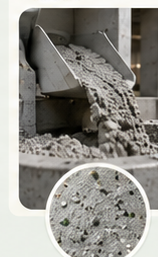
Glass powder partially replaces Portland cement in concrete mixes, potentially reducing embodied carbon.
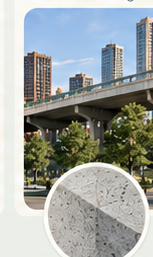
Lower-carbon concrete can be used in real projects—keeping processing and value in the region.
Pathway 02 · Characterization
Qualified recycled-aggregate applications already exist. Clean, source-separated concrete can be processed into recycled concrete aggregate (RCA) that meets specifications for infrastructure and site-development uses.
The key work now is to validate actual concrete volume, contamination, stockpiling, processing, hauling and qualification economics to confirm viable, scalable supply for Central New York.
Explore the RCA processKeep concrete separate during demolition to minimize contamination by rebar, wood, asphalt and mixed waste.
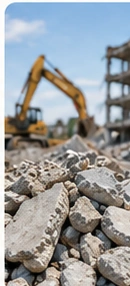
Remove non-concrete materials, verify quality and add testing where required.
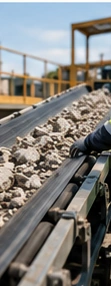
Process concrete into recycled aggregate with target gradation and consistent quality.
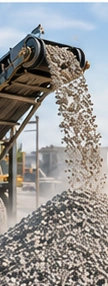
Separate material by size and confirm gradation through sampling and testing.
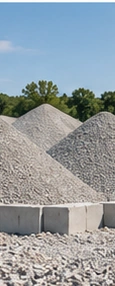
Coordinate haul, quality records and delivery to regional projects.
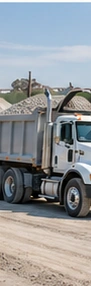
Supply approved road-base, embankment, fill and other fit-for-specification uses.


From practical idea to repeat customer
Both pathways should advance through the same evidence-led screening discipline. The required tests and specifications differ, but the decision rule is shared: no investment without a qualified use and workable economics.
Locate material streams, owners, volumes, variability and logistics.
Test contamination, composition, gradation, performance and processing needs.
Match applications, standards, buyer specifications and operational conditions.
Confirm costs, processors, haul, buyer demand and repeatable contractual terms.
Advance only the applications that demonstrate technical fit, environmental and regulatory suitability, dependable supply and competitive delivered cost.
Different materials · different proof
Applications may be established in the wider market without a particular Central New York feedstock, processor, project or supply contract being qualified. These are proposed screening questions , not reported test results.
Status: This review does not present a certified regional glass-SCM product, approved RCA supplier, committed buyer, validated tonnage or executed contract. Material qualification is application- and project-specific.
The second dividend
Collection, separation, testing, hauling, preparation, equipment, concrete production and technical services.
Equipment operators, material technicians, process specialists, logistics teams, trades and supplier development.
Qualification methods, supplier relationships, specifications, operating experience and contracting know-how carry forward.
Work that makes the pathway possible
Potential work spans existing firms, suppliers and public projects. These are roles the system may support—not announced vacancies or projected job counts.
Drivers, equipment operators, material handlers and dispatch or yard teams.
Sort-line operations, crushing, milling, plant mechanics and industrial trades.
Sampling technicians, laboratory staff, quality assurance and environmental specialists.
Supplier development, estimating, contracting, account services and entrepreneurship.
Reclaimed water supports the broader industrial ecosystem as a potential shared infrastructure capability , not as a third first material pathway.
Explore reclaimed waterHelp shape what comes next
These first pathways need real materials, technically qualified uses, dependable suppliers and customers. Choose the part of the work you know best.
This is a design prototype without a live intake or job application. Do not submit confidential information through review pages.
Prepare an outline about local materials, skills, demand or practical constraints. Nothing is submitted or stored by the preparation page; a receiving organization and official intake channel have not yet been established.
Prepare a contribution